
Thermal Power Plants: Know its Advantages and Disadvantages
Thermal Power Plants
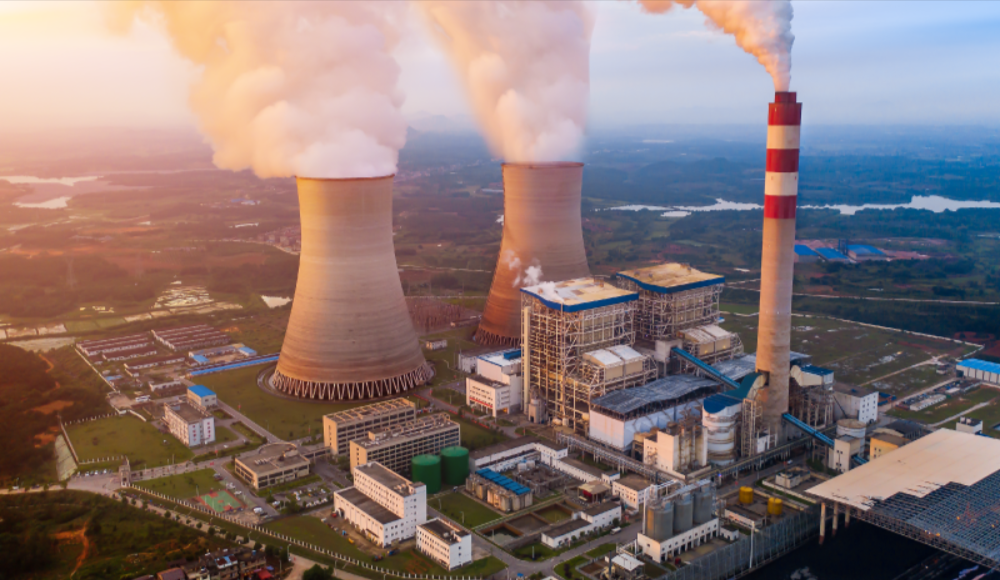
Electricity is the foundation of our modern lives. Nearly every aspect of modern life–industries transport, communications and education, health care, and even households rely on a constant supply of energy. In the many sources of electricity the thermal power plant plays an significant function. Thermal power plants generate electricity through the burning of fossil fuels like oil, coal or natural gas to generate heat. The heat used is then converted into steam, which then turns turbines linked to generators and generates electricity.
Thermal power plants are extensively utilized throughout the world due to the fact that they can generate huge amounts of electric power continuously. In many developing nations thermal power is the most important source of energy because of the availability of coal as well as the simple technology involved. However, despite their value thermal power plants can also pose serious health, environmental and economic challenges. It is therefore crucial to know the pros and drawbacks of thermal power plants.
Advantages of Thermal Power Plants
1. Reliable Source of Electricity
One of the main benefits of thermal power plants is their reliability. They produce electricity continuously all through the year regardless of the weather. In contrast to wind or solar energy that generates thermal power, thermal power generation does not rely on wind speed or sunlight. That makes thermal power a reliable source of power base-load.
2. Large-Scale Power Generation
Thermal power plants can be capable of producing large quantities of power at one place. This is why they are suited to serving the huge power requirements of industries, cities, and huge population. A single thermal plant is able to provide power for millions.
3. Lower Initial Cost Compared to Some Other Plants
The initial cost to set up thermal power plants is much lower than hydroelectric or nuclear power stations. The technology is highly developed and widely available, which makes construction simpler and more efficient.
4. Easy Availability of Fuel
Coal and fossil fuels are easily accessible in many countries. The coal reserves are plentiful and are able to be stored for long durations. This provides a continuous supply of energy and continuous power generation.
5. Flexible Location
The thermal power plant can be constructed virtually anywhere, but they should be located near water or fuel sources. supply. As opposed to hydropower facilities they don’t need specific geographical features such as mountains or rivers.
6. Supports Industrial Growth
Thermal power plants supply steady electricity that is essential to industrial growth. Industries depend on constant power supply to run machines, boost production and sustain the growth of their economy.
7. Employment Opportunities
Operation, construction as well as maintenance for thermal power plant create job opportunities. The need for workers is in mining and transportation for fuels, operations of plants and maintenance of equipment.
8. Mature and Proven Technology
The technology of thermal power generation has been in use for many years. Technicians and engineers are educated, and the equipment is reliable. This helps reduce the risk of technical and also operational problems.
9. Can Use Multiple Fuels
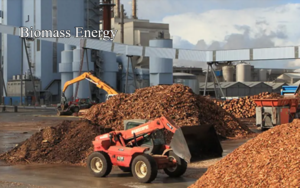
The thermal power plants run on a variety of fuels including coal, oil natural gas, coal as well as biomass. This flexibility assists countries in managing energy shortages and ensure energy security.
Disadvantages of Thermal Power Plants
1. Air Pollution
One of the biggest negatives of thermal power plants is the air pollution. When coal is burned, it releases harmful gases, such as sulfur dioxide, carbon dioxide, nitrogen oxides as well as particulate matter. These gases cause respiratory illnesses as well as acid rain and environmental damage.
2. Contribution to Climate Change
The thermal power plant is one of the among the major contributing factors to global warming. They release huge quantities of carbon dioxide as a greenhouse gas which retains heat in the air. This results in the climate changing, increasing temperatures and extreme weather conditions.
3. Dependence on Non-Renewable Resources
Thermal power plants depend on fossil fuels that are not renewable. Coal, oil as well as natural gas resources are scarce and eventually will be exhausted. The dependence on these resources could threaten long-term security in energy.
4. High Operating Cost
While the initial cost is fairly low, the operating expense of thermal power plant can be high. Continuous supply of fuel transport, maintenance, as well as pollution management systems add to the cost over time.
5. Mining’s environmental degradation is a result of mining.
Mining coal causes severe environmental harm. It can cause destruction of forests, degrading land soil erosion and the loss of diversity. Mining can also cause displacement of local communities and impacts their daily lives.
6. Water Pollution and Water Use
Thermal power plants need large quantities of water to cool. The hot water that is discharged back into rivers raises the temperature, causing harm to the aquatic life. The disposal of ash and chemical waste also affect water sources.
7. Ash Disposal Problem
Burning coal creates huge amounts of Ash. The removal of fly ash as well as bottom ash is a huge issue. Incorrect disposal can pollute soil, air and water, and can affect the land that is near to agricultural.
8. Health Hazards
People who live near thermal power plants are at risk of serious health hazards. The exposure to air pollution increases instances of asthma and lung disease heart issues, skin problems. Workers also face danger due to their constant exposure to harmful chemicals.
9. Large Land Requirement
The thermal power plants and Ash disposal sites require huge portions of the land. This could lead to the displacement of people as well as destruction of land for agriculture, particularly in areas with high density of population.
10. Low Overall Efficiency
A significant portion of the heat energy generated in the thermal power plant is waste. Only a small portion of the energy generated by burning the fuel is converted to electricity, which makes it less effective when compared to other sources of energy.
Thermal Power Plants and the Future
Thermal power plants will play an crucial roles in meeting the energy demands particularly in the developing world. But, there is increasing pressure to limit their impact on the environment. Improved efficiency, cleaner technology using better pollution control equipment, as well as a gradual shift to alternative energy sources like solar and wind are vital measures to promote sustainable development.
Conclusion
The thermal power plant is an a major source of electricity because of their reliability as well as large-scale power generation. But issues such as climate change, pollution and the dependence on fossil fuels must not be overlooked. A balanced approach is required to meet the energy needs while also protecting the environment.
About The Author