
What is Biomass Energy and Its Advantages and Disadvantages?
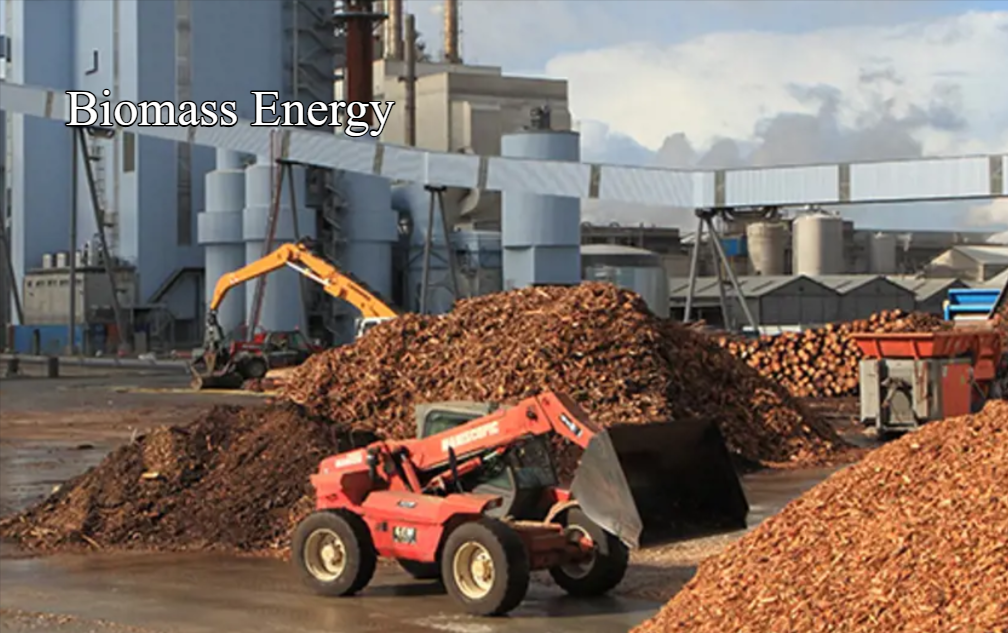
Biomass Energy
Energy is among the essential requirements of our times. As the need for energy keeps increasing and the fossil fuel reserves diminish the need for alternative and sustainable energy sources is becoming increasingly important. Biomass energy is a sustainable energy resource that was utilized by human beings since the beginning of time. Prior to the discovery of oil, coal, and gas, people relied on crop waste, wood and animal dung to provide heating and cooking.
Biomass energy is derived from organic materials like crops, agricultural waste animal waste, wood along with biodegradable waste from industrial production. The materials are directly burned or transformed into biofuels such as biogas, Biodiesel, bioethanol and biodiesel. Since biomass comes from living or recent living organisms it is considered to be a renewable energy source. In the present biomass energy is extensively utilized in rural areas, and is also becoming more important in the modern power generation system.
However biomass energy isn’t 100% free of issues. While it reduces pollution and also supports the goals of renewable energy but it also can cause environmental damage and health concerns when not properly managed. Thus, a thorough understanding of both benefits and drawbacks for biomass is crucial.
Advantages of Biomass Energy
1. Renewable Source of Energy
One of the major benefits for biomass is the fact that it’s renewable. Biomass energy can be continually generated through forestry, farming and waste production. So long as plants continue to develop and waste organic material is generated biomass energy is produced.
2. Reduces Dependence on Fossil Fuels
Biomass energy decreases the demand for fossil fuels like coal, oil or natural gas. By utilizing locally available biomass resources, countries are able to lower the cost of fuel imports and enhance security in energy.
3. Uses Waste Materials
Biomass energy makes use of animal waste, food waste along with Industrial organic waste. This assists in the management of waste and eases the burden on landfills.
4. Reduces Greenhouse Gas Emissions
Biomass is regarded as carbon neutral because emissions of carbon dioxide by burning is approximately equal to the carbon dioxide that plants absorb in the course of growth. This can help reduce carbon dioxide emissions from greenhouse gases as compared to fossil fuels.
5. Supports Rural Development
Biomass energy projects can create employment opportunities for rural regions. Farmers can earn additional income through the sale of the residues of their crops as well as animal waste and energy crops. This can help livelihoods and rural economies.
6. Can Be Used in Multiple Forms
Biomass energy can be utilized to generate heat, electricity as well as fuel. Biogas can be used to fuel lighting and cooking, whereas bioethanol and biodiesel can be utilized as transport fuels. This flexibility can make biomass energy very valuable.
7. Reliable and Continuous Energy Supply
In contrast to wind and solar energy the biomass energy source does not depend on the weather conditions. It provides a consistent and controlled energy supply all through the year.
8. Reduces Open Burning of Waste
Utilizing agricultural residues and organic waste to generate energy can reduce open burning which is a major source of pollution to the air across many regions. Biomass energy is a green alternative.
9. Improves Waste Management in Cities
Urban biomass projects make use of food waste as well as sewage and organic municipal wastes to create biogas or generate electricity. This improves sanitation and decreases urban pollution.
10. Encourages Sustainable Agriculture
If properly managed When properly managed, biomass energy encourages environmentally sustainable practices in agriculture. Refining the crop, managing residue and energy crops all aid in maintaining soil health and improve productivity.
Disadvantages of Biomass Energy
1. Air Pollution
Burning biomass emits carbon monoxide, smoke particulate matter and other harmful substances. Traditional use of biomass for burning wood, like wood and dung, can cause significant indoor air pollution as well as health issues.
2. Deforestation Risk
If the demand for biomass increases without adequate control, forests can be cut down for the purpose of fuel. This can lead to deforestation, loss of biodiversity, as well as environmental imbalance.
3. Low Energy Efficiency
Biomass has a lower energy content in comparison with fossil fuels. A large amount of biomass is needed to generate the equivalent amount of energy, making storage and transportation difficult.
4. Land Use Competition
The production of biomass from energy crops may challenge food crops for water, land and other resources. This can be detrimental to food security, especially in the developing world.
5. High Initial Setup Cost
Modern biomass power plants and biogas systems need an investment of significant amount. The latest technology, machinery and maintenance can increase costs and can pose an issue for small communities.
6. Transportation and Storage Issues
Biomass materials are heavy and hard to transport across long distances. Storage can be a problem since biomass may be rotten, lose energy even catch fire.
7. Health Hazards
Smoke from biomass burning can cause eye diseases, respiratory problems and heart problems. Children and women living in rural homes are the most affected by the indoor air pollution.
8. Not Always Carbon Neutral
In the event that biomass gets harvested more quickly than it is able to regenerate or when fossil fuels are utilized extensively in its processing and transportation, the carbon neutral benefit is diminished. Inefficient management can lead to increased emissions.
9. Seasonal Availability
Certain biomass resources are available only in certain seasons, for example, crop residues after harvest. This can impact the energy supply if proper storage arrangements are in place.
10. Technological Limitations
The efficient transformation of biomass to energy is a process that requires the latest technology. In many areas, the absence of infrastructure and technical expertise restricts the utilization for biomass-based energy.
Biomass Energy in the Modern World
With increasing concern over climate changes and environmental protection biomass energy is receiving recognition as a an element of the mix of renewable energy. The government is promoting biomass plants for biogas, biofuels and waste-to-energy initiatives. But sustainability is the most important factor. Biomass energy needs to be created without causing harm to the forests, food supplies, as well as human health.
Conclusion
Biomass energy is a great renewable resource that can be used to reduce waste and decrease the dependence of fossil fuels. In the same way environmental issues such as pollution, deforestation and low efficiency need to be dealt with. With the right planning and sustainable methods, biomass energy could be a significant factor in meeting future energy demands.
About The Author