
Windmills and Its Advantages and Disadvantages
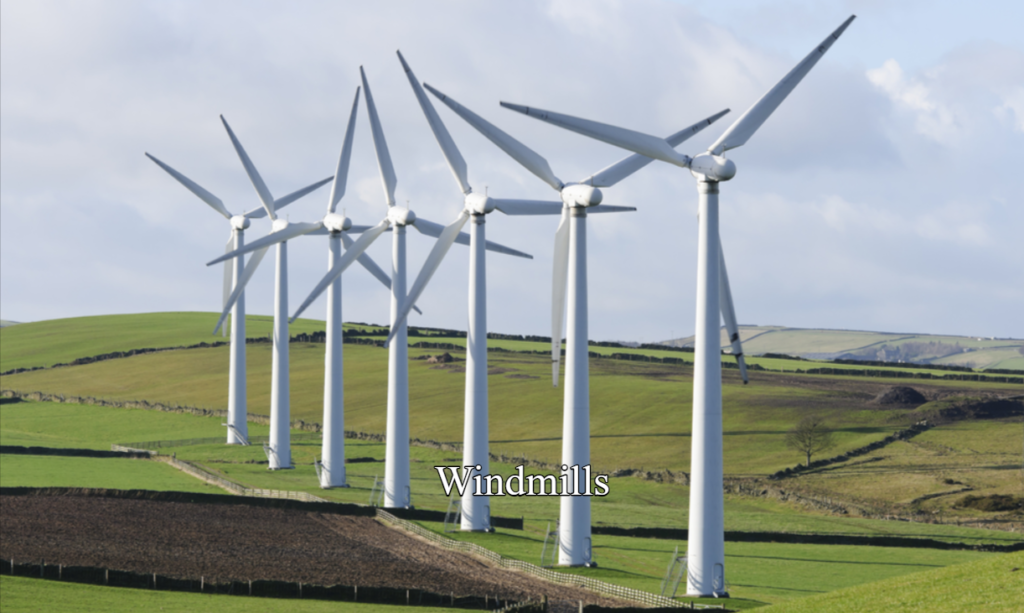
Windmills
Energy is the underlying force of our modern world. From schools and homes to hospitals and factories, virtually every single activity is dependent on electricity. For a long time, the majority of this energy was generated with fossil fuels, such as coal or oil as well as natural gas. But these resources are scarce and pose serious environmental challenges such as climate change and air pollution. Therefore the renewable sources of energy have become more important. One of the most important renewable sources is wind energy. Windmills are a major factor in harnessing the power of wind.
A windmill is a building that converts the energy generated by wind into energy. The first time windmills were built, they were used to grind grains or pump water. Modern windmills, also known as wind turbines, are mostly utilized to produce electricity. Wind energy is renewable, clean and readily available throughout the world. But windmills face issues related to costs, reliability, as well as environmental impacts. To appreciate their importance it is important to research both the benefits and drawbacks of windmills.
Advantages of Windmills
1. Renewable Source of Energy
One of the major benefits of windmills is that their electricity is renewable. Wind is a renewable and infinite resource that will never be exhausted. So it continues to be sun-driven and continues to heat the Earth in a different way, the winds will keep on to flow and make wind energy a sustainable choice for the future.
2. Environment Friendly
Windmills generate electricity without burning fuel. They do not emit harmful gases like sulfur dioxide, carbon dioxide or nitrogen oxides. This reduces air pollution as well as slowing down the climate change and makes wind energy eco sustainable.
3. No Fuel Cost
Wind energy doesn’t require any kind of fuel. After a windmill has been installed it will generate the energy for free. This helps reduce the need for expensive fossil fuels and helps protect against the rising cost of fuel.
4. Low Operating and Maintenance Cost
Following installation, turbines are fairly minimal operating costs and cost. There is no requirement to purchase fuel frequently Modern wind turbines are built to run efficiently for a number of years without any maintenance.
5. Reduces Dependence on Fossil Fuels
Windmills can reduce dependence on oil, coal and gas. This increases energy security and decreases the need to import fuel, which is crucial for countries that rely heavily on energy sources from abroad.
6. Suitable for Rural and Remote Areas
Windmills can be very beneficial in remote and rural regions where power supply is not available or even a bit scarce. Small wind turbines are able to provide electricity to farms, homes as well as water pumping in these regions.
7. Land Can Be Used for Multiple Purposes
Windmills don’t take up much land. The land around them could continue to be utilized for agriculture livestock, grazing, or any other activity. This means that wind energy is suitable for agricultural use.
8. Employment Opportunities
The wind energy industry generates jobs in production installations, operations maintenance and repair of windmills. Additionally, it supports local industries and aids in economic growth.
9. Quick Installation
In comparison to power plants with large capacity they can be built fairly quickly. The wind farms could be constructed within a shorter period of time frame, allowing for the meeting of energy demands quicker.
10. Helps in Decentralized Power Generation
Windmills are a great source of decentralized electricity generation. They can produce power close to the location where it will be used, thus reducing transmission losses and increasing energy efficiency.
Disadvantages of Windmills
1. Dependence on Wind Availability
The main drawback of windmills is that they rely on the wind. Wind doesn’t constantly blow. If the wind is slow or absent, electricity production ceases, rendering wind energy unreliable, without backup systems.
2. High Initial Cost
Windmills’ installation requires an investment of a significant amount at first. The cost of turbines towers and foundations as well as electric connections could be high particularly for large wind farms.
3. Noise Pollution
Windmills generate noise because of the motion of blades as well as mechanical components. The noise may disturb those who live nearby, particularly in rural areas that are quiet.
4. Visual Impact
Many consider windmills to be ugly and feel they degrade nature beauty and the landscape. The large wind farms can alter the look of picturesque landscapes, which can lead to the public’s disapproval.
5. Harm to Birds and Wildlife
Windmill blades could be a danger to bats and birds. In the event of collisions, rotating blades could cause injury or even deaths, particularly in areas that have large bird populations.
6. Large Space Requirement
Although individual windmills may not take up much space on the ground however, wind farms require large areas that have suitable conditions for wind. They aren’t everywhere.
7. Irregular Power Output
The speed of the wind varies through the year and throughout the day. This can cause fluctuations in the power generated which makes it difficult to align power supply to demand without storage for energy.
8. Maintenance in Difficult Conditions
Windmills are typically located in hilly, remote or coastal regions in areas where winds are powerful. Repair and maintenance in these areas can be challenging and expensive.
9. Limited Suitable Locations
Windmills perform best in regions that have a steady and strong winds like coastal regions open plains, coastal regions, and hills. Regions that have a low speed of wind are not ideal for wind energy production.
10. Need for Backup Power
Since wind energy isn’t constant and therefore, alternative power sources like batteries or thermal power plants or any other renewable source are needed. This will increase overall costs for the system.
Windmills and Modern Energy Needs
With the growing concern regarding climate change and pollution wind energy is now an integral component of the energy mix of the world. Technology advancements have made windmills more reliable and efficient than they were before. Offshore wind farms as well as advanced turbines are helping overcome a few issues. Numerous countries are investing massively on wind power projects as a part of their goals for renewable energy.
Conclusion
Windmills are the cleanest, most renewable and environmentally sustainable energy source which reduces pollution and dependency of fossil fuels. However, the challenges of the high cost of initial investment, dependence on wind and environmental issues cannot be overlooked. With the right planning, better technology along with integration to other sources of energy The advantages of windmills will outweigh the disadvantages and make them an ideal option for the future of energy.
About The Author