

Hydroelectric Energy: Know its Advantages and Disadvantages
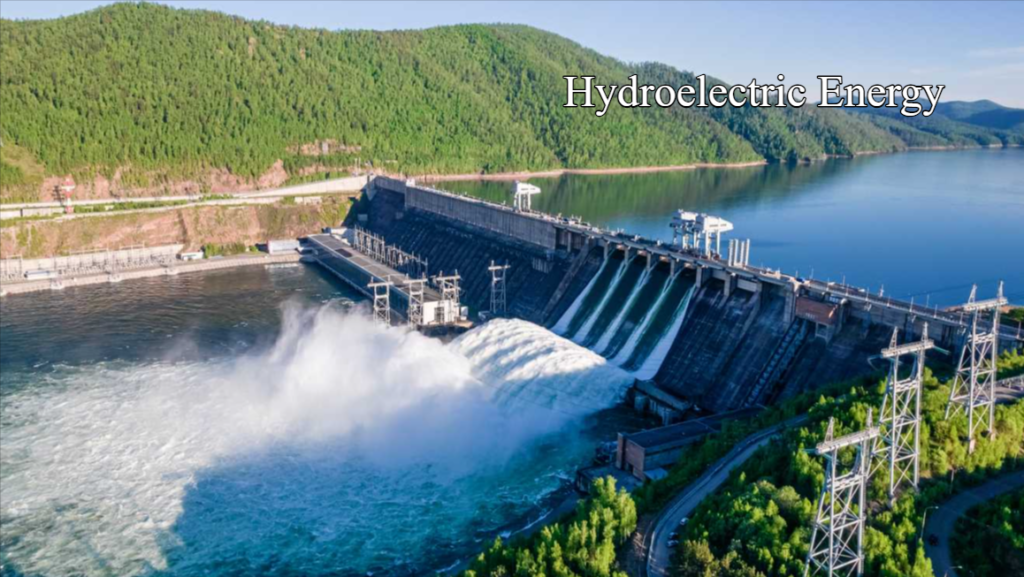
Hydroelectric Energy
Energy is vital for industrial development, and everyday life. As the world confronts challenges such as climate change, pollution and the depletion of fossil fuels. Renewable sources of energy are gaining significant importance. One of the most ancient and frequently utilized renewable sources of energy are hydroelectric power. Hydroelectric energy is created the force of falling or flowing water, most often by building dams on rivers. The water stored is released to turn turbines that generate electricity.
Power from hydroelectric sources has been utilized for over 100 years and continues play a significant role in the power generation process in a variety of nations. It is regarded as green, renewable, and reliable. The large hydroelectric projects supply electric power to millions of households and industrial facilities. While it has its advantages, hydroelectric energy can also pose serious environmental, social and economic issues. Therefore, it is crucial to research both the benefits and drawbacks of hydroelectric power to comprehend its impact on the world at large.
Advantages of Hydroelectric Energy
1. Renewable Source of Energy
One of the greatest benefits of hydroelectric power is that the energy is renewable. It is based on the cycle of water, that is replenished continuously by snowfall and rainfall. So long as rivers are flowing, energy from the hydroelectric will be created without the need to exhaust natural resources.
2. Clean and Environment Friendly
Hydroelectric energy doesn’t produce toxic gases, smoke or greenhouse emissions during the process of producing electricity. In contrast to oil or coal-powered power plants, hydroelectric energy does not emit carbon dioxide into the atmosphere. This can reduce the amount of pollution in the air and slows the process of climate change.
3. Reliable and Stable Power Supply
Hydroelectric power plants offer an unreliable and stable energy source. As opposed to wind or solar energy sources, hydroelectric power plants aren’t subject to changes in weather conditions such as clouds or wind speeds. Storage of water in reservoirs enables to generate power even in dry seasons.
4. Low Operating Cost
Once a hydroelectric power station is built, its operation cost and upkeep costs will be minimal. It is water-free, and there is no need for fuel. In time it makes hydroelectric power less expensive than other sources of energy.
5. High Efficiency
Hydroelectric power stations are highly efficient. The vast majority of energy generated by moving water is converted to electricity. This efficiency is greater than the average thermal power plants.
6. Supports Flood Control
Dams constructed to power hydroelectricity help manage floods by storing the excess water that falls during heavy rain. A controlled release of water can reduce flooding damage to areas downstream and protects people, crops and other property.
7. Water Storage and Irrigation
Reservoirs formed by dams hold water which can be utilized to water irrigation and drinking water supply and for industrial uses. This helps to support agriculture and to manage water shortages during dry periods.
8. Long Lifespan
Hydroelectric power plants can have an extended operating life. They can last for between 50 and 100 years, if maintained properly and care, which makes them an excellent long-term investment.
9. Employment and Economic Development
The development and running of hydroelectric power projects generate employment opportunities. They also aid in regional development through the improvement of infrastructure, such as bridges, roads and the power supply.
Disadvantages of Hydroelectric Energy
1. High Initial Cost
One of the biggest drawbacks of hydroelectric power is the price at which it begins of construction. Construction of reservoirs, dams, tunnels and power stations require enormous investment, which might not be feasible for all countries.
2. Displacement of People
Large hydroelectric projects usually result in displacement of communities. Villages, farmlands as well as forests, are flooded by reservoirs which force people to move. Compensation and rehabilitation are frequently inadequate, leading to social issues.
3. Environmental Damage
Dams disturb natural river ecosystems. They impact the river’s flow, the water temperature, as well as sediment movement. This is detrimental to aquatic life and decreases the diversity of the ecosystem. Many species of fish suffer because dams impede the routes they travel on.
4. Loss of Forests and Wildlife
The development of reservoirs can lead to huge-scale destruction of forests. Habitats for wildlife and forests are destroyed, resulting in disappearance of biodiversity and an ecological imbalance.
5. Dependence on Rainfall
Hydroelectric power generation is dependent on the amount of rainfall. In droughts or during times of low rainfall, the water levels in reservoirs drop and reduce electricity production. Changes in climate have changed the patterns of rain.
6. Risk of Dam Failure
Though very rare, dam failures can be catastrophic. Heavy rainfall, earthquakes bad design, or the absence of maintenance may result in dam collapse, leading to massive flooding and the loss of lives or property downstream.
7. Sedimentation Problem
As time passes, the sediments swept by rivers are deposited in reservoirs. This decreases the capacity of storage and the efficiency of dams. Removal of sediments can be costly and technically challenging, reducing the useful life of the dam project.
8. Methane emission from Reservoirs
In tropical areas the vegetation that is submerged in reservoirs breaks down to release methane which is a potent greenhouse gas. This reduces the environmental impact that hydroelectric electricity can bring to a certain degree.
9. Limited Suitable Locations
Hydroelectric power stations can be constructed only in areas that have favorable geographical conditions, like strong river flow and a height difference. This restricts their use particularly in dry or flat regions.
10. Social and Political Conflicts
The projects that generate hydroelectric energy often create conflict between countries or states over sharing of water. Local protests against displacement as well as environmental destruction can slow or even stop projects.
Hydroelectric Energy in Modern Times
As the climate crisis is becoming more serious, there is a growing concern for changes, hydroelectric power is frequently promoted as a part of policies to promote clean energy. But modern planning focuses on smaller, more sustainable projects rather than huge dams. Run-of-the river projects and improved environmental management seek to lessen negative effects while preserving the benefits.
Conclusion
Hydroelectric energy is a safe sustainable, renewable, and effective source of power that can be used to support electricity generation, irrigation as well as flood management. However issues like displacement, environmental damage and the high cost of construction cannot be overlooked. A sustainable, balanced, and balanced strategy is needed in order to make sure that the benefits of hydroelectric energy are greater than its drawbacks.
About The Author