
Air Pollution and Its Advantages and Disadvantages
Air Pollution
Air pollution is the result of the presence of harmful air pollutants which affect the health of humans as well as the environment as well as living creatures. The pollutants could include gas smoke, dust chemical compounds, as well as tiny particles that are released by industrial and vehicle engines power plants, combustion of fossil fuels, construction work and natural sources like forests and volcanoes. In our current world pollution of the air is now a worldwide issue due to the rapid pace of urbanization, industrialization and the growth of populations, and the increased consumption in fossil fuels.
Air pollution is typically regarded as to be harmful, and it is rightly so due to the fact that it causes health issues, environmental damage and even the climate changing. From an academic perspective there is a tendency to argue that air pollution could offer some temporary or indirect benefits in certain contexts, most of which are associated with natural or economic processes. This “advantages” do not justify pollution, but can help understand the reasons why pollution persists regardless of its detrimental impacts. To understand the situation fully it is essential to consider both the benefits and drawbacks of air pollution.
Advantages of Air Pollution
1. Supports Industrial and Economic Activities
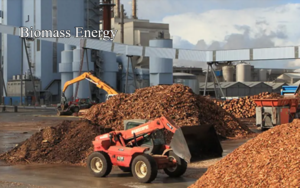
Numerous industries that cause air pollution play a significant part in the development of economics. Power plants, factories and manufacturing facilities release pollution, yet they also generate electrical energy, goods and create jobs. Industrial growth boosts infrastructure, boosts the amount of income earned, and aids in the development of the nation.
2. Energy Production for Daily Needs
Air pollution is inextricably associated with the generation of energy by oil, coal, and gas. Thermal power plants emit pollutants but also provide the essential electricity for hospitals, homes factories, schools, and transport. Without these sources of energy the modern world would experience severe disruption.
3. Agricultural Benefits in Limited Cases
Certain air pollutants, such as nitrogen compounds may settle on soil and serve as fertilizers in small amounts. This can temporarily boost soil fertility and the growth of plants. However, the benefits are only a small amount and is usually outweighed by the damage that can be sustained over time.
4. Ozone Layer Formation at High Altitude
Ozone that is formed at high altitudes naturally as a result of chemical reactions that involve oxygen and sunlight. The ozone layer helps protect life on Earth by blocking harmful ultraviolet radiation. While ozone at ground level is dangerous but atmospheric chemical processes involving gases have a role to protect higher up.
5. Natural Air Pollution Processes
Natural sources like dust storms, volcanic eruptions as well as forest fires, release pollutants to the air. These natural phenomena are a part of Earth’s eco-system and can influence the shape of the landforms, soil composition and balance of the atmospheric for long durations.
6. Awareness and Technological Innovation
The rising levels of air pollution have raised awareness among the public and prompted creativity. Industry and government invest in green technology, electric vehicles, renewable energy, as well as pollution control systems to respond to the issue of pollution.
7. Scientific Research and Policy Development
The effects of air pollution have led to vast scientific research in the field of environmental sciences as well as medicine and climate research. This research aids in improving regulations on health and environmental protection and international collaboration to safeguard the environment.
Be aware that these advantages are indirect and don’t suggest that pollution from the air is beneficial. They are the reason that polluting practices continue, not the reason reasons why pollution should be promoted.
Disadvantages of Air Pollution
1. Serious Health Problems
One of the most significant drawbacks of pollution from air is its negative effect on the health of people. Air pollution can cause respiratory illnesses like asthma and bronchitis, lung infections and lung cancer. Exposure to pollution for long periods increases the risk of developing heart disease and premature death.
2. Harmful to Children and Elderly
Children, older people as well as those who have fragile immune systems, are most susceptible to the effects of pollution from the air. Air pollution can affect lung development in children and exacerbates existing health problems for older adults.
3. Environmental Damage
Air pollution is a threat to the natural environmental balance. Acid rain is caused by pollutants which damages forests, soils and rivers as well as lakes. The plants absorb harmful gases which affects their growth and diminishing the efficiency of agricultural production.
4. Climate Change and Global Warming
Air pollution can contribute to climate changes. Greenhouse gases such as methane and carbon dioxide hold heat in the air, leading the world to warm. This leads to melting glaciers as well as rising sea levels, droughts, heatwaves, and extreme weather conditions.
5. Damage to Wildlife
Birds and animals suffer due to the pollution of air. The harmful particles can impact the respiratory system of birds, their food source and habitats. Ecosystems are weakened, leading to the loss of biodiversity.
6. Reduced Visibility and Smog
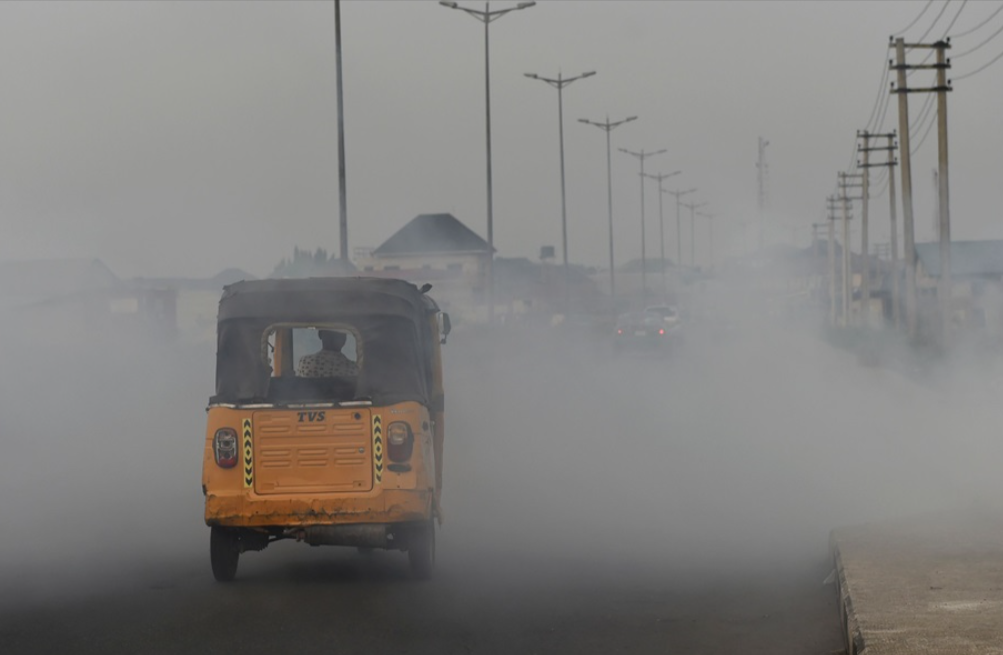
Smog is caused by air pollution particularly in urban areas. Smog can reduce visibility, increase traffic accidents, and can create a sour living space. It also impacts the outdoor and tourism industry.
7. Economic Loss
Air pollution can cause huge economic losses. The cost of healthcare increases because of illnesses caused by pollution. People are more likely to get sick which reduces productivity. The destruction of crops, buildings and infrastructure can result in financial losses.
8. Damage to Buildings and Monuments
Polluted air causes damage to buildings bridges, structures, and historical monuments. Acid rain reacts to stones and metal, which causes erosion and corrosion. Famous monuments suffer permanent damage due to pollution.
9. Poor Quality of Life
Living in areas with high levels of pollution affects your overall health. People suffer from breathing issues eye irritation headaches, fatigue and anxiety. Outdoor activities become challenging and dangerous.
10. Long-Term Ecological Imbalance
Air pollution can disrupt the natural cycles of nature and disturbs ecological balance. Variations in temperatures, rainfall patterns, as well as pollution of the air impact the water resources of agriculture, and food security over time.
Measures to Control Air Pollution
To cut down on air pollution strict laws and clean energy usage as well as public awareness and the use of technology are essential. Utilizing renewable energy, improving public transportation as well as planting trees, limiting industrial emissions and reducing the use of vehicles can aid in protecting the air quality.
Conclusion
Air pollution is extremely hazardous and poses serious risks to the health of people and the environment as well as our global environment. While it could have some short-term or indirect benefits linked to the economy and natural processes, the benefits aren’t worth the harm it can cause. The primary focus should be decreasing air pollution with sustainable development, better technology and responsible human behavior to ensure a healthy and sustainable future for the next generation.
About The Author