
Is England Part of the European Union? Complete Guide
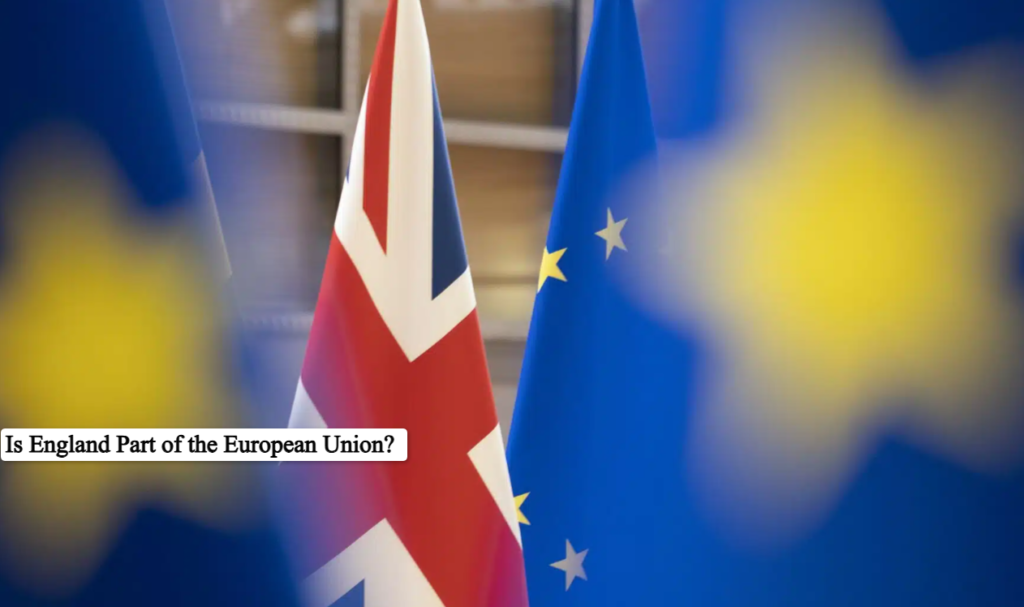
Is England Part of the European Union?
No, England is not part of the European Union anymore. England has left its place in the European Union along with the remainder members of the United Kingdom after the historic procedure known as Brexit.
Prior to Brexit, England and the whole UK was a member of the European Union for decades. Following a significant referendum in 2016 the UK was able to vote to withdraw from the EU and the withdrawal was officially put into effect in the year 2020.
What Is the European Union?
The European Union often referred to as the EU is a social and economic organization composed of European countries that work together on:
- Trade
- Regulations and laws
- Travel agreements
- Human rights
- Economic policies
The EU facilitates the mobility of goods, services and individuals between member states.
The headquarters of the major EU institutions are in areas like Brussels, Strasbourg, and Luxembourg City.
Was England Ever Part of the EU?
Yes. England was a part of the EU due to the fact that in 1973, the United Kingdom joined the European Economic Community (EEC), which was the precursor to the EU in 1973.
Because England as one of the states which make up the UK and is a member of the UK, it was automatically incorporated into the European system with UK membership.
For a long time, the people of England enjoyed the following benefits:
- Free trade agreements with European countries
- Visa-free travel throughout a lot of Europe
- Agreements on economic sharing
- The access into access to European single market
What Was Brexit?
Brexit refers to “British Exit” from the European Union.
In 2016 The UK held a referendum on its own to ask the people if the country should remain or be part of the EU.
The outcome was:
- A majority of 52% voted leave
- Around 48% of voters voted to remain
England and Wales most of the time have voted to leave, and Scotland as well as Northern Ireland mostly voted to remain.
This referendum was one of the most significant changes in the political landscape of recent British history.
When Did England Leave the EU?
The United Kingdom officially left the European Union on January 31 in 2020.
Following a transitional period following a transition period, new immigration and trade regulations fully took effects in 2021.
From then onwards:
- England has ceased to be a part of EU institutions of political power
- British lawmakers did not sit within the European Parliament
- Changes to the rules for free movement
- New trade and customs arrangements as well as new customs were created.
Why Did Some People Want Brexit?
The supporters of Brexit said they would leave the EU could let Britain to UK to:
- Make sure that it controls the immigration policies of its own
- Create laws that are independent
- Regain full sovereignty for the nation.
- Make separate trade agreements across the world.
A lot of Brexit supporters believed that too that much power in politics had been transferred towards EU institutions.
Why Did Others Oppose Brexit?
Critics suggested that a withdrawal from the EU could lead to:
- Business and trade suffer because of it.
- Cause economic uncertainty
- Limit access to European markets
- Incite political tensions in the UK
Many economists and business leaders have cautioned they were concerned that Brexit might make trading difficult and cost-intensive.
What Changed After Brexit?
Many major changes occurred shortly after England as well as the UK have left the EU.
Travel and Immigration
British citizens are no longer entitled to the full EU freedom of movement. New rules for visas and residence are in place in a number of cases.
Trade
The trade between the UK and EU currently involves more customs controls and regulations than it did before.
Politics
England as well as the UK gained greater control over national legislation and rules.
Northern Ireland Issues
Brexit also brought political issues that affect Northern Ireland because it shares an unofficial border with Ireland and remains part of the EU.
Special arrangements were required to avoid establishing a hard line of separation on Ireland’s island. Ireland.
Is England Still in Europe?
Yes. England remains geographically a part of Europe.
Brexit is a purely symbolic term that means England as well as the UK are no longer part of the European Union politically and economically.
The country remains tightly linked to Europe through diplomacy, trade and defense, tourism and even culture.
Final Answer
Therefore, England is not part of the European Union anymore. It was previously a part of the EU by virtue of the UK’s membership, but following the Brexit referendum and the official withdrawal of the UK at the end of 2020 England has left the European Union as did the majority part of the UK.
About The Author